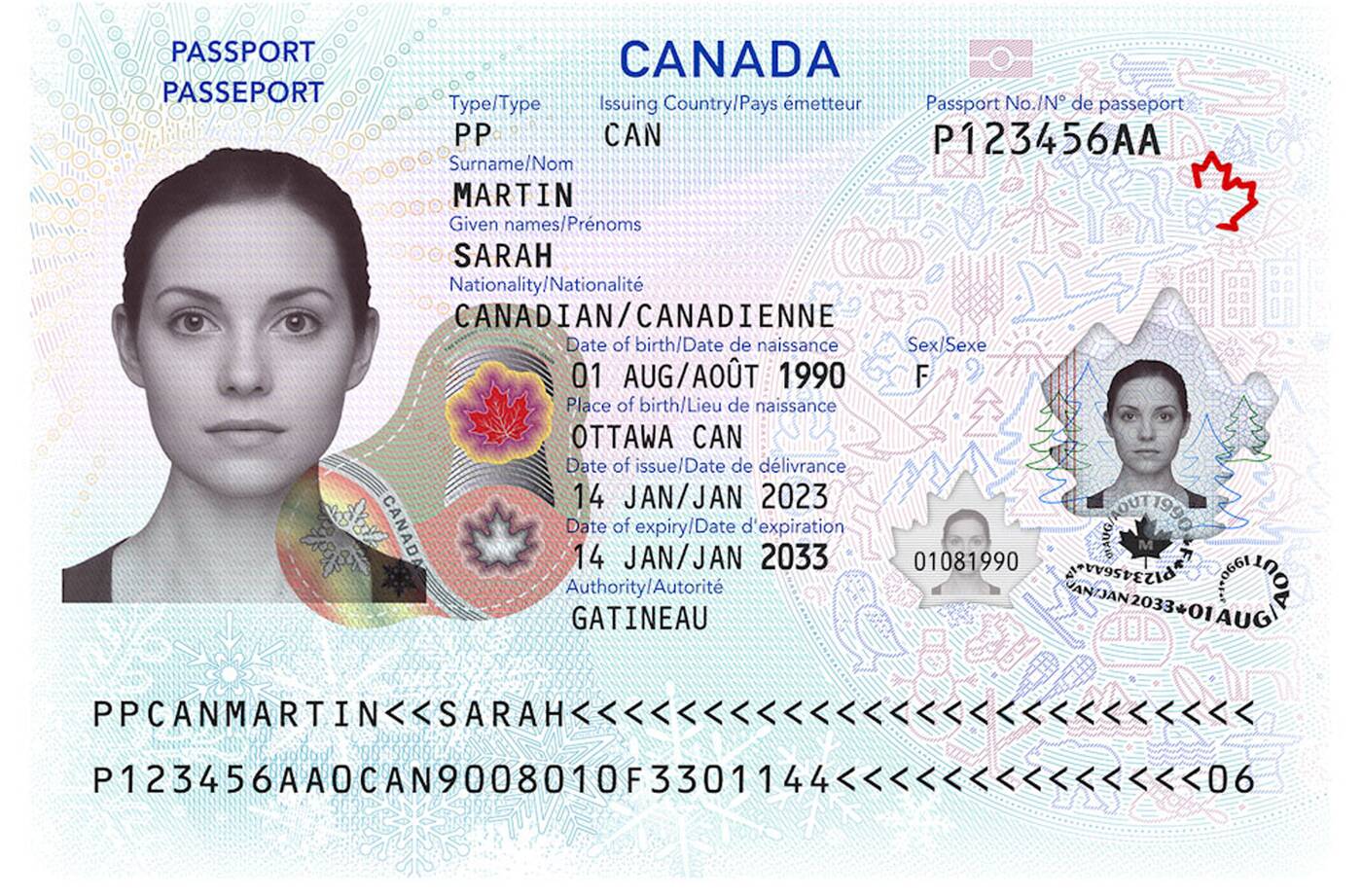
STP Passport 2026: Transforming Digital Identity
The advent of digital technology has dramatically changed the way we interact, operate, and transact in our daily lives. One of the most remarkable innovations in this space is the STP Passport 2026. This initiative promises to revolutionize digital identity verification, making it more secure, efficient, and accessible for users worldwide. In this article, we delve into the features, benefits, and potential impact of the STP Passport 2026 on global digital interaction.
Understanding STP Passport 2026
The STP (Secure Tokenized Passport) initiative was designed with a forward-thinking approach towards personal identification. Unlike traditional passports, STP Passport 2026 utilizes advanced blockchain technology to create a secure, unforgeable digital identification system. This not only enhances the security aspect but also aligns with the growing call for privacy and user control over personal data.
Key Features of STP Passport 2026
- Decentralization: By utilizing blockchain, STP Passport 2026 eliminates the need for a central authority, allowing users to have direct control over their identity.
- Enhanced Security: The tokenization of identity data means that sensitive information can remain encrypted and only shared when necessary, minimizing risks of data breaches.
- Global Accessibility: With digital solutions in mind, this passport aims to provide universal access across borders, simplifying travel and identity verification processes.
- User-Centric Design: The user interface is designed to be intuitive, ensuring that individuals of all technical backgrounds can easily navigate through the STP Passport system.
The Benefits of Adopting STP Passport 2026
As society continues to move towards a more digital existence, the benefits of adopting a system like STP Passport 2026 become increasingly apparent. Here are some advantages:
1. Enhanced Privacy Protections
In a world rife with data breaches and identity theft, STP Passport 2026 stands as a bulwark against such occurrences. By allowing users to control their data and only share what is necessary for a particular transaction or verification, privacy is inherently enhanced. This approach aligns with global privacy standards such as GDPR, emphasizing user consent and data protection.
2. Streamlined Processes
STP Passport 2026 is designed to facilitate seamless interactions, both online and offline. The use of secure QR codes and digital tokens will enable quick identity verification, whether at airports, banks, or other service providers. This streamlined approach can significantly reduce waiting times and improve customer experiences.
3. Inclusive Access
One of the major barriers to accessing services globally is the lack of identification. STP Passport 2026 prioritizes inclusivity by providing a digital solution that is accessible via smartphones and other devices. This can empower individuals in underdeveloped regions, breaking down barriers that have historically restricted access to services.
Potential Impact on Travel and Cross-Border Transactions
The traditional passport system has its limitations, especially in a world where globalization is the norm. STP Passport 2026 aims to address these issues:

Simplifying International Travel
With a digital identity, travelers can expect more efficient processing at borders. Customs and immigration can quickly verify identities through the blockchain, allowing for quicker onboarding procedures and improved security at airports.
Facilitating Global Commerce
In addition to enhancing travel, the STP Passport can simplify commercial transactions across borders. Businesses can easily verify the identities of clients or employees from different countries, reducing the risks associated with fraud and ensuring compliance with international regulations.
Challenges Ahead
While the potential benefits of STP Passport 2026 are substantial, several challenges remain to be addressed:
Regulatory Hurdles
The integration of digital identities into existing legal frameworks will require cooperation among various regulatory bodies across countries. Achieving consensus on standards and protocols may take time.
Technical Considerations
Ensuring that the system remains secure against potential cyber threats and technological failures is crucial. Continuous updates and maintenance of the technology will be necessary to keep pace with evolving threats.
The Future of STP Passport 2026
The evolution of the STP Passport initiative reflects a growing recognition of the need for a robust digital identity solution. The development of STP Passport 2026 is anticipated to reshape not just travel and commerce but our understanding of personal identification at large. A successful rollout will require collaboration among governments, tech entities, and user communities to ensure that systems are practical, secure, and beneficial for all.
Conclusion
The STP Passport 2026 is poised to usher in a new era of digital identity verification that promotes security, accessibility, and user empowerment. As we look to the future, it is crucial to continue discussions surrounding privacy, technology, and legislation to ensure that the benefits of digital identities can be fully realized. The successful implementation of this blockchain-based passport could truly transform the global landscape of identity verification, making it safer and more efficient for everyone.